Home Moves in West Hampstead
If you are planning home moves in West Hampstead, you are probably looking for a service that feels straightforward, careful, and genuinely local. Moving home is never just about transporting boxes. It is about managing schedules, protecting belongings, working around building access, and making sure the day feels controlled from the first lift to the last item placed in the new property. In an area like West Hampstead, where period conversions, mansion blocks, purpose-built flats, terraced houses, and compact apartments all sit side by side, every move comes with its own practical challenges. A local removal team that understands those details can save time, reduce stress, and make the whole process much easier to manage.
Whether you are relocating a one-bedroom flat near the station, moving a family home off West End Lane, or arranging a larger move into or out of the surrounding streets, the right approach matters. Many customers want more than simple transport. They want careful packing, furniture protection, loading support, and clear planning that takes account of the realities of local streets, shared entrances, and limited parking. That is exactly where a well-organised local house moving service becomes valuable.
For homeowners, tenants, landlords, and even smaller businesses moving premises, the best service should feel flexible and practical. From the first enquiry through to moving day, customers usually want clarity on what is included, what affects the cost, how to prepare, and how to avoid last-minute problems. This page is designed to answer those questions in a local, useful way, so you can decide whether to book your move with confidence.
Why Home Moves in West Hampstead Need a Local Approach

West Hampstead has a distinctive mix of housing and street layouts, which means a generic one-size-fits-all move often falls short. The area includes elegant period buildings, converted Victorian and Edwardian properties, modern apartment blocks, and compact streets where access can be tight. Some buildings have narrow staircases, others require lift use and timed access, and many roads can be busy at certain times of day. When you are arranging a move, these details are not minor inconveniences; they shape the entire plan.
A local moving company familiar with West Hampstead can plan around common issues such as controlled loading, awkward corners, basement storage, upper-floor flats without lifts, and the need to protect communal hallways. Understanding the area means the team can arrive prepared with the right number of movers, suitable equipment, and an approach that suits the property rather than forcing the property to suit the move.
That local knowledge is especially important if you are moving during a busy part of the week, coordinating with landlords or managing agents, or trying to fit the move around school runs, work hours, or transport connections. In a neighbourhood with active residential streets and nearby commercial premises, timing is often just as important as muscle.
What Our Home Moving Service Can Include
Every move is different, so a good home moving service should be able to adapt. Some customers want a full packing and moving solution, while others simply need help with loading, transport, and unloading. Either way, the aim is to make the day more manageable and reduce the risk of damage or delays.
Common services for West Hampstead home moves may include pre-move planning, dismantling and reassembly of selected furniture, protective wrapping for delicate items, safe handling of appliances, and organised loading so that items are placed in a logical order for unloading. For customers in flats or shared buildings, the service may also involve working carefully in communal spaces and respecting building rules.
Many people also need help with awkward or heavy items such as wardrobes, beds, sofas, dining tables, chests of drawers, white goods, and boxed household contents. In a smaller flat, efficient packing and careful stacking can make a big difference. In a larger property, the challenge may be keeping everything organised across multiple rooms so that unpacking is easier later.
Typical tasks included in a home move
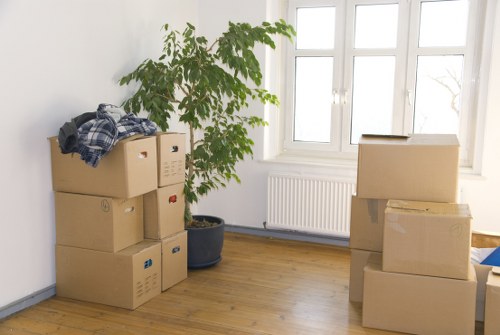
- Loading and unloading household items safely
- Furniture protection with covers, blankets, and wrapping materials
- Careful handling of fragile belongings
- Optional dismantling and reassembly of selected furniture
- Transport suited to the size and access of the property
- Placement of items in the correct rooms at the destination
- Support for flats, houses, and managed developments
- Flexible assistance for partial or full moves
Not every move needs the same level of support. Some customers are fully packed and ready to go. Others need help at multiple stages, from boxing up room contents to carrying items down stairs. The best local service is one that can scale to the job in front of it.
Clear communication before moving day helps everyone. If you let the team know about difficult access, fragile belongings, or unusually large furniture, they can arrive with the right plan. That reduces stress, keeps the day moving, and helps avoid surprises.
Why Residents Choose Professional Help for Moving House
Many people begin a move thinking they can handle everything themselves, only to discover that the process takes more time and energy than expected. Packing often takes longer than planned, lifting bulky furniture can be tiring, and organising transport is rarely simple when streets are busy and parking is limited. Professional moving help is appealing because it turns a long list of jobs into a managed process.
For customers in West Hampstead, the advantages are especially practical. Shared entrances, stairwells, small lifts, and tight kerbs can make DIY moving difficult. A professional team brings physical support, but also experience. They know how to carry items safely, how to protect walls and floors, and how to keep the pace steady without rushing in a way that increases the risk of breakage.
There is also peace of mind in knowing your belongings are being handled systematically. Important items can be loaded last and unloaded first, fragile boxes can be grouped together, and furniture can be protected throughout the journey. That kind of organisation makes moving day feel far less chaotic.
Local Property Types We Commonly Handle

Home moves in West Hampstead are shaped by the area’s property mix. Some homes are straightforward to access, while others require careful planning because of narrow staircases or shared entrances. A local moving team should be comfortable working across different property types and adjusting the approach accordingly.
Flats and apartments
Many moves in the area involve flats in converted buildings or purpose-built blocks. These often need extra care because of lift access, timed entry, communal corridors, or limited space for loading. If you live in a top-floor flat, good planning is essential to keep the move efficient.
Terraced and semi-detached houses
Family homes often involve larger volumes of furniture, more boxed contents, garden items, and loft or basement storage. These moves benefit from a team that can work methodically room by room.
Newer developments
Modern developments may have lift systems, concierge arrangements, and moving rules that require coordination in advance. A local team that is used to these settings can help the day go more smoothly.
Commercial and mixed-use moves
Although this page focuses on home moves, many West Hampstead customers also need moving support for small offices, studios, or mixed-use spaces. If you are moving between a home and workspace, or relocating a home office setup, a flexible removal team can keep both sides of the process organised.
How the Moving Process Usually Works
Customers often want to know what actually happens once the move is booked. A clear process helps reduce uncertainty. While every move is slightly different, most home removals follow a similar pattern from the initial enquiry to the final unload.
First comes the discussion about the property, the amount to move, the access arrangements, and whether you need extra services such as packing or furniture disassembly. This stage is important because it helps determine the right vehicle size, the number of movers required, and the best plan for the day. If there are awkward items or a lot of stairs, these should be discussed early.
Then comes preparation. That may involve packing belongings into boxes, labelling rooms, separating fragile items, and making sure essentials are easy to access. On moving day, the team loads the vehicle carefully, securing items to keep them stable during transit. At the destination, items are unloaded and placed where needed, helping you get settled faster.
Step-by-step move day process

- Share the details of your property and move requirements
- Agree the scope of the service and moving date
- Prepare boxes, valuables, and essentials in advance
- Protect furniture and sensitive items before loading
- Load the vehicle in a safe, organised sequence
- Transport belongings to the new address
- Unload and place items in the correct rooms
- Complete any agreed reassembly or final support
Good planning makes a huge difference. Even a well-run move can become stressful if the basics are not ready. Clear room labelling, paths kept free of clutter, and advance notice of difficult access can all help.
If you are booking house removals in West Hampstead for a specific deadline, such as a completion day, tenancy handover, or school term change, it is worth discussing timing carefully. The more precise the plan, the easier it is to keep the move on track.
Preparation Checklist for West Hampstead Home Moves
Preparation does not need to be complicated, but it does need to be practical. A little organisation before moving day can save a lot of effort later. This is especially true in West Hampstead, where access and parking can limit how quickly a move can be loaded or unloaded.
Many customers find it helpful to work from a checklist. That way, important tasks are not forgotten in the rush of packing, paperwork, and key handovers. It also helps you feel more in control during a period that can otherwise be hectic.
Useful preparation steps include:
- Declutter unwanted items before packing
- Label boxes by room and priority
- Set aside essentials such as chargers, documents, toiletries, and medication
- Empty and defrost appliances if needed
- Protect fragile items with suitable wrapping
- Measure large furniture against doorways and stairwell spaces
- Notify building management if access arrangements are needed
- Reserve loading space where appropriate and allowed
- Keep valuables and personal documents with you
What to do the day before
The day before the move is often the best time to do a final walk-through. Check cupboards, loft areas, under beds, and storage spaces. Make sure boxes are taped properly and that you have a clear route through the property. If there are items that should not be loaded until the end, separate them clearly. For flats, it is also sensible to check lift booking times or any building instructions that apply.
What to keep handy on the day
You may want a small bag or box for immediate essentials, including phone chargers, keys, water, snacks, documents, pet supplies, and a change of clothes. Having these close by can make the first evening in the new property much easier.