Health and Safety Policy for Movers West Hampstead
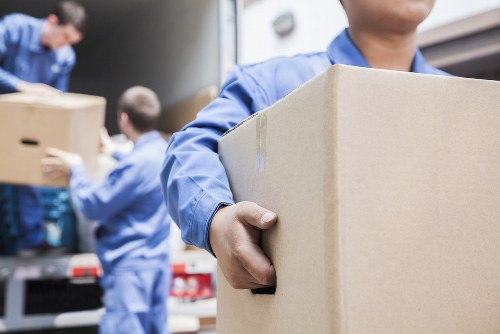 This Health and Safety Policy sets out the practical standards expected from movers in West Hampstead when carrying out removals, handling goods, and working in shared environments. Our approach is built on prevention, accountability, and careful planning. The aim is to protect staff, customers, visitors, and any other people who may be affected by moving activities. We believe that safe working is not separate from good service; it is an essential part of it.
All moving work must be assessed for foreseeable risks before it begins. This includes checking the condition of access routes, the weight and stability of items, the need for lifting aids, and the possibility of slips, trips, or collisions. Each member of the team is expected to follow safe systems of work, report hazards promptly, and use equipment correctly. Good communication is central to safe operations, especially when loading, unloading, or navigating tight spaces.
Our policy applies to all stages of the removal process, including packing, lifting, carrying, loading, driving, and unpacking. Every task should be completed with attention to posture, visibility, and surrounding conditions. Where an item appears too heavy, awkward, unstable, or fragile to move safely by one person, it must be managed by a team lift or suitable equipment. No deadline is more important than safety.
 Management is responsible for ensuring that workers receive appropriate instruction, supervision, and access to equipment that supports safe handling. This includes trolleys, straps, gloves, protective footwear, and other items relevant to the job. Equipment must be maintained in good working order and checked before use. If any defect is identified, the item should be taken out of service until it has been repaired or replaced.
Risk control begins with preparation. Before a move starts, workers should identify likely hazards, agree on the order of work, and make sure everyone understands their role. Planning should also consider weather, lighting, floor surfaces, and the need for rest breaks during physically demanding jobs. Where public areas are involved, care must be taken to avoid blocking routes or creating unnecessary obstruction.
Training is a key part of this policy. All movers must be trained in manual handling, safe stacking, correct use of lifting tools, and methods for protecting items without exposing people to harm.  Refresher training should be provided when work methods change, after incidents, or when new equipment is introduced. A well-trained team is better able to recognise danger early and act before a problem becomes an accident.
Manual handling is one of the greatest risk areas in removals. To reduce the chance of injury, staff should bend the knees, keep loads close to the body, avoid twisting, and ask for help when needed. Loads should be divided where possible, and heavier items should be moved using trolleys, skids, or other suitable aids. Repetitive lifting should be avoided where task rotation is practical.
The safe condition of premises is equally important. Before moving items through any property, workers should look for narrow staircases, uneven floors, poor lighting, wet surfaces, loose carpets, sharp edges, and low ceilings. These hazards should be communicated clearly to the team. If conditions are unsafe, work must pause until the risk has been reduced. Housekeeping is everyone’s responsibility.
Vehicles and storage areas must also be managed with care. Loads should be secured to prevent shifting during transit, and the vehicle should not be overloaded. Drivers must carry out basic checks before departure, including tyres, mirrors, lights, and load stability. When unloading, the same principles of caution apply.  Work should not resume until the route is clear and the team is ready.
Emergency preparedness is a core part of safe moving practice. Fire exits, first aid arrangements, and emergency procedures must be known to the team before work begins. If an accident, injury, or near miss occurs, it should be reported immediately and recorded in line with company procedures. First aid must be sought without delay when required, and the area should be made safe before work continues.
Where hazardous substances, cleaning products, or other potentially harmful materials are encountered, they must be handled in accordance with the relevant instructions and kept away from untrained personnel. Items that present a risk of contamination or leakage should be isolated and moved only by staff who understand the correct precautions. Personal protective equipment should be worn whenever the task or environment requires it.
We expect every member of the team to contribute to a culture of safety by speaking up about concerns, following instructions, and refusing to take avoidable risks. Safety reviews should be carried out regularly so that lessons from incidents and near misses can be used to improve working methods.  By maintaining clear standards, careful supervision, and a shared commitment to safe practice, movers can protect people, property, and reputation alike.