Commercial Moves in West Hampstead
If you are planning commercial moves in West Hampstead, you are probably trying to keep disruption to a minimum while making sure every desk, file, chair, and device reaches the new premises safely. Whether you are relocating a small office, a consultancy, a retail unit, a studio space, or a shared workspace, the process needs to be organised, well-timed, and practical from start to finish. West Hampstead has a busy local rhythm, a mix of period buildings and modern developments, and access considerations that can make business removals more demanding than they first appear.
That is why local experience matters. A move in this part of northwest London often means working around tight roads, limited loading space, busy junctions, apartment blocks with shared access, and commercial premises that may sit above or beside residential properties. A well-planned business relocation service helps you keep your operation moving while the physical transition is handled efficiently. From pre-move planning and packing to transport, furniture handling, and setup at the destination, the goal is to make the process straightforward for your team.
For businesses in West Hampstead, Kilburn, Finchley Road, Swiss Cottage, Cricklewood, and the surrounding area, the right moving team can save time, reduce stress, and help you avoid avoidable downtime. If you are preparing for a move, reconfiguration, expansion, or downsizing, this page explains what the service includes, how it works, and what to consider before you book. Contact us today to discuss your requirements or request a free quote for your office or commercial premises.
Why commercial removals in West Hampstead need a local approach

West Hampstead is a practical place to do business, but it is also a location where moving logistics need careful thought. Commercial premises here range from converted Victorian and Edwardian buildings to newer office spaces, high-street units, professional rooms, and mixed-use properties. That variety is one reason a one-size-fits-all approach rarely works. A team familiar with the area can plan around building access, parking pressure, narrow residential streets, and shared entrances in a way that keeps the move efficient.
For many businesses, timing is just as important as transport. A move that interferes with client appointments, trading hours, or staff workflows can be costly in practical terms, even if the physical move is small. Local commercial movers can help coordinate around your schedule, including early starts, staggered relocations, weekend moves, or phased transfers for businesses that cannot close for long. That flexibility is especially valuable for offices serving nearby areas such as Hampstead, Belsize Park, Queens Park, Brondesbury, and South Hampstead.
Another benefit of using a local team is the ability to adapt quickly on the day. In West Hampstead, loading access can change depending on traffic, neighbouring deliveries, or road restrictions. If you have not moved from the area before, it can be difficult to predict how long each stage will take. Local knowledge helps create realistic timings, choose the safest vehicle positioning, and reduce disruption to neighbours and other road users.
Common types of commercial moves we handle
Businesses and organisations in the area often need help with a wide range of relocation projects. These may include:
- Office relocations for small, medium, or growing teams
- Retail and boutique premises moves
- Clinic, consultancy, and professional practice relocations
- Studio, creative, and media workspace moves
- Furniture-only moves and internal reconfiguration projects
- Archive, file, and equipment relocation
- Moves from mixed residential-commercial buildings
Some customers need a full end-to-end relocation service, while others just need help with the heavy lifting, transport, and safe placement of furniture. The right service should be shaped around your business rather than the other way around. If you are comparing options, ask whether the team can support packing, dismantling, loading, transport, unloading, and furniture placement in one joined-up process.
Book your service now if you want a local move planned around your business hours, property layout, and the practical realities of West Hampstead access.
What is included in a commercial move service?

A professional commercial move should do more than simply transport items from one building to another. The best results come from a service that helps with planning, sorting, protecting, moving, and placing items in the right location at the destination. For businesses with fragile equipment, confidential materials, or expensive furniture, those extra steps are often what protect both your property and your schedule.
Depending on your requirements, a commercial removals service may include a mix of the following:
- Initial move discussion and assessment of your needs
- Planning the route, access, and loading arrangements
- Packing support for documents, stock, office supplies, and equipment
- Disassembly of desks, shelving, and selected furniture
- Protection for fragile or high-value items during transit
- Loading, transport, and unloading at the destination
- Placement of furniture and boxes in designated areas
- Optional reassembly of items that were dismantled
Not every move requires every service. Some smaller businesses only need a couple of strong movers and a vehicle; others need a full team to coordinate several departments, multiple floors, or a phased relocation. A good provider will take the time to understand your premises, your timescale, and the volume of items involved before recommending the right setup.
Items commonly moved during business relocations
Commercial premises often contain a mixture of everyday working items and specialist equipment. A typical move can involve:
- Office desks, chairs, storage units, and meeting tables
- Computers, monitors, printers, and related tech
- Client files, archives, and confidential paperwork
- Retail stock, display fixtures, and merchandising units
- Reception furniture and waiting-area seating
- Kitchen items, lockers, and break-room furniture
- Workshop tools, supplies, and business-specific equipment
Because every commercial property is different, the most helpful moving service is one that can adapt to your layout, your contents, and your schedule without creating unnecessary downtime.
If you would like to keep your relocation simple, contact us today to talk through the items you need moved and the timings that matter to your business.
How the moving process works

Most business owners want the same outcome from a commercial move: a clear process, minimal disruption, and a professional team that knows what to do on the day. To make that happen, the work is usually split into a few practical stages. This keeps the relocation manageable and allows you to plan staffing, access, and key handovers with confidence.
The first stage is usually an initial discussion about your property, what needs to move, and when you need it done. This is the point to flag any special requirements, such as fragile IT equipment, bulky filing cabinets, or items that must be moved in a specific sequence. If your premises are in a building with shared access or restricted loading, it is important to mention that early.
Next comes the planning stage. A good moving team will think through the route, parking, entry points, stairs, lifts, and any building rules that might affect the job. In West Hampstead, that can be especially useful where office or retail units are situated on busy streets or within mixed-use developments. The better the planning, the less likely you are to encounter avoidable delays on the day.
Typical move-day flow
A well-organised commercial relocation normally follows a clear sequence:
- Arrival and final check of access points
- Protection of floors, corners, and vulnerable surfaces where needed
- Safe loading of furniture, boxes, and equipment
- Transport to the new premises
- Unloading into agreed areas
- Reassembly and placement if included
- Final walk-through to check nothing has been missed
Some businesses also choose to move in phases, especially if they are keeping part of the operation running during the transition. For example, files and core equipment may move first, followed by furniture and non-essential stock. A flexible commercial removals plan can help make this kind of staged move much easier to manage.
Book your service now if you want a practical moving plan shaped around your opening hours, staffing needs, and property layout.
Preparing for your commercial move
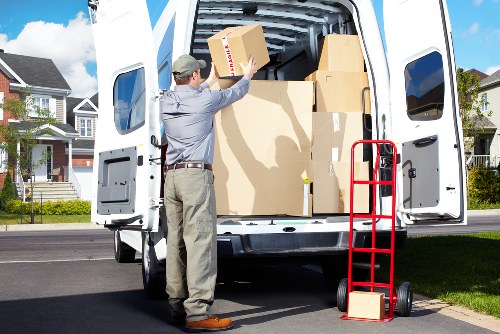
Preparation is one of the biggest factors in making a business move feel controlled rather than chaotic. Even a small premises relocation can become stressful if items are not sorted, labelled, or packed in a sensible order. The good news is that a bit of preparation goes a long way, especially when you are juggling clients, staff, and day-to-day work at the same time.
Start by identifying what absolutely needs to move, what can be archived or disposed of, and what should be replaced instead of transported. Many local businesses find this a good opportunity to review storage, remove redundant furniture, and simplify the setup before arriving at the new premises. That can reduce moving time and help the new space feel more organised from day one.
It also helps to communicate clearly with staff. If different departments are responsible for different areas, they should know what they are packing, how it should be labelled, and where it needs to end up at the destination. When boxes and furniture are properly marked, the unloading stage becomes much easier and the business can get back to work sooner.
Practical preparation checklist
Before moving day, consider the following steps:
- Back up important digital files and secure devices
- Label boxes by room, team, or function
- Separate confidential records from general items
- Empty drawers and remove loose items from desks
- Disconnect IT and equipment only when advised
- Measure doors, lifts, stairwells, and corridors if space is tight
- Notify suppliers, clients, and building management where needed
For companies moving in and out of West Hampstead’s older buildings, measuring access routes is especially useful because staircases, landings, and corridors can be narrower than expected. This is also a sensible time to check whether your new premises have loading restrictions or building-specific move-in rules.
If you need support with planning or packing, request a free quote and we can help you build a move that works in practice, not just on paper.
Pricing factors and what affects the quote
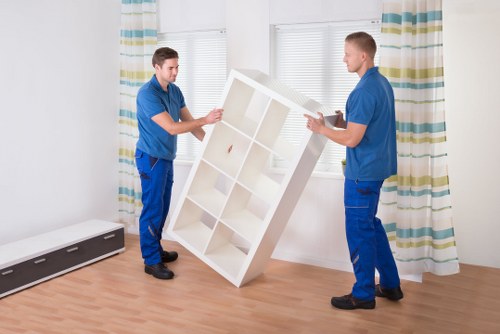
Commercial moves are usually quoted based on the details of the job rather than a standard fixed rate. That is because every business relocation is different. Two moves that look similar from the outside may need very different levels of labour, packing support, and time on site. Understanding the main pricing factors helps you compare services more effectively and avoid surprises later.
The main things that can influence the cost include the volume of items, the number of movers needed, the distance between the old and new premises, and the access conditions at both ends of the move. A ground-floor office with loading access will usually be easier to handle than a top-floor unit with narrow stairs, no lift, and restricted parking. If the move takes place over several trips or outside normal hours, that may also affect the overall quote.
Another important factor is the level of service you want. A basic transport-only move is different from a fully supported relocation with packing, dismantling, reassembly, and careful placement in the new property. If you need special handling for IT equipment, fragile items, or confidential materials, that can also shape the final plan. The aim should be to get the right level of support for your business rather than paying for features you do not need.
Common factors that shape a commercial removals quote
- Size of the office or business premises
- Number of items and their weight or bulk
- Need for packing materials or protective wrapping
- Distance between premises and overall travel time
- Access constraints, stairs, lifts, or parking issues
- Required move date, day of week, or out-of-hours timing
- Need for dismantling, reassembly, or phased relocation
For West Hampstead customers, access can be a particularly important part of pricing. Streets close to the station and nearby commercial routes may be busier at certain times, and shared entrances or limited waiting space can make planning more complex. A local mover who understands this can build a more accurate schedule and avoid wasted time.
Contact us today if you want a quote based on your actual business needs, premises layout, and move date.
Why choose a local company for West Hampstead commercial moves
Working with a local team offers more than convenience. It can make the whole move feel smoother because the people handling your relocation understand the neighbourhood, the building types, and the likely access issues before they arrive. In a busy part of northwest London, that local familiarity can make a noticeable difference to timing and organisation.
Businesses based around West Hampstead often value reliability, discretion, and speed. A local commercial moving company is used to working with professional practices, independents, start-ups, established firms, and mixed-use premises. They are also more likely to be familiar with practical details such as building management requirements, busy loading areas, and the challenge of moving in streets where parking is not always straightforward.
Another advantage is communication. If your plans change, or you need to coordinate access at short notice, a nearby team is often easier to schedule than one travelling from much further away. That can be especially useful for businesses working around lease deadlines, handover dates, refurbishment programmes, or staged occupancy. When time matters, local experience and flexibility are real assets.
Benefits of choosing a local commercial mover
- Better understanding of West Hampstead roads and access points
- More practical scheduling around busy local conditions
- Experience with mixed residential and business buildings
- Useful for short-notice adjustments and phased moves
- Less disruption for staff, clients, and neighbouring properties
That local edge is also helpful for businesses relocating to or from nearby areas such as Kilburn, South Hampstead, Childs Hill, Hampstead, Queens Park, Fortune Green, and Cricklewood. If your move crosses into surrounding districts, a local provider can still keep the process streamlined and familiar.
Request a free quote if you want support from a team that understands commercial moves in West Hampstead and the surrounding neighbourhoods.
Areas covered around West Hampstead
Although West Hampstead is the main focus, many businesses moving here are also dealing with nearby streets and districts. A reliable commercial removals service should be able to support relocations in the immediate area as well as nearby parts of northwest and inner north London. That is especially useful if your current site and your new premises are only a short distance apart but still require careful handling.
Typical nearby areas include:
- West Hampstead
- South Hampstead
- Kilburn
- Finchley Road corridor
- Swiss Cottage
- Hampstead
- Queens Park
- Brondesbury
- Fortune Green
- Cricklewood
Many commercial clients in this part of London also move between office buildings, high-street premises, serviced spaces, and converted properties. If you are not sure whether your particular move fits the service, a quick discussion can usually clarify what is possible and what the best plan looks like.
Useful for a wide range of business premises
Commercial moving support is often needed by:
- Independent shops and retail units
- Professional practices and consulting rooms
- Agencies, studios, and creative teams
- Small offices and satellite teams
- Shared workspaces and managed offices
- Businesses moving within the same building
If your premises are in a busy part of West Hampstead or close to the station area, a local team can help you plan around traffic, loading time, and limited street space more effectively.
Commercial move FAQs
Many customers have similar questions before they book a business relocation. Below are some of the most common ones, answered in plain language to help you decide what you need.
How far in advance should I book a commercial move?
It is best to book as early as you can, especially if you are moving at month-end, around a lease deadline, or during a busy business period. Early booking gives more room for planning and can make it easier to secure the time slot you want. If your schedule is tight, it is still worth enquiring as soon as possible.
Can you move office furniture and equipment together?
Yes. Many commercial moves include a mix of furniture, boxed items, and equipment. The important thing is to identify fragile or specialist items in advance so they can be handled appropriately. If you have any equipment that needs extra care, mention it during the planning stage.
Do I need to pack everything myself?
Not always. Some businesses prefer to pack their own files, personal items, and desktop supplies, while leaving bulkier or more awkward items to the moving team. Others prefer a fuller service with packing help included. The right choice depends on your staff capacity, your timescale, and how much disruption you want to avoid.
What if my building has limited parking or awkward access?
That is common in West Hampstead and nearby areas. A local removals team can plan for restricted loading, narrow streets, shared entrances, or buildings with stairs and lifts. It is best to mention these details early so the move can be scheduled realistically.
Can you help with phased moves?
Yes, phased relocations are often a smart option for businesses that need to keep working during the move. This can involve transporting files, then furniture, then remaining items in stages. It is a practical way to reduce downtime and keep core services available.
What should I do with confidential documents?
Confidential documents should be sorted and secured before the move. If you have sensitive files, separate them from general items and decide whether they are going into archive storage, the new office, or secure disposal. Clear labelling and careful handling are important here.
Book your service now if you are ready to start planning or want advice on the best approach for your business relocation.
Choosing the right service for your business
Not every move needs the same level of support. A small consultancy relocating a few desks will not need the same setup as a retail unit with stock, displays, and back-office furniture. The best approach is to match the service to the type of business, the property, and the amount of disruption you can afford.
If you are in West Hampstead and need a commercial move, think about the following questions before you enquire:
- Are you moving everything at once or in stages?
- Do you need help packing, dismantling, or reassembly?
- Will access be straightforward or restricted?
- Are there heavy, fragile, or confidential items involved?
- Do you need the move to happen outside normal business hours?
Answering these questions early makes it easier to build a sensible moving plan. It also helps you choose between a basic transport service and a more supported relocation package. For many businesses, that clarity is what turns a potentially disruptive move into a controlled and manageable project.
What makes a move feel successful?
Most business owners define a successful relocation in the same way: the items arrive safely, the move stays on schedule, staff can find what they need, and work resumes without unnecessary delay. That requires good communication, proper labelling, realistic scheduling, and a team that understands commercial requirements. Contact us today if you want a service focused on those priorities.
If you are planning commercial removals in West Hampstead or a nearby area, the best time to start is before the pressure builds. Early planning gives you more choice, more flexibility, and a better chance of keeping your business running smoothly throughout the move.
Final thoughts and next steps
Commercial moves in West Hampstead demand practical planning, local awareness, and a service that respects the realities of running a business in a busy part of London. From loading access and street parking to building layouts and timing restrictions, there are plenty of details that can affect how smooth the move feels. The right team should be able to take those concerns seriously and build a relocation plan that fits your premises and your schedule.
Whether you are moving a compact office, a retail space, a studio, or a larger commercial property, the aim is the same: protect your equipment, reduce downtime, and make the transition as straightforward as possible. A local service can help with the planning, the lifting, the transport, and the practical setup at the other end, so your business can settle in quickly and confidently.
Request a free quote today, or book your service now if you are ready to start planning your move in West Hampstead or the surrounding area.