West End Lane removals guide for tight access moves
If you are planning a move around West End Lane, you probably already know the tricky part is not the boxes. It is the access. Narrow streets, awkward bays, basement stairs, shared hallways, and the usual London rush can turn a simple move into a bit of a puzzle. This West End Lane removals guide for tight access moves is here to make that puzzle feel manageable.
Whether you are leaving a flat above a shop, moving into a converted period property, or shifting furniture out of a place where the lift is, let's be fair, only "lift-like" at best, the right plan matters. You will find practical steps, real-world advice, and a few sensible shortcuts that can save time, stress, and the odd scratched wall.
For many local moves, choosing the right service is just as important as packing well. In some cases, a man and van in West Hampstead is the neatest fit. In others, especially if the property is larger or the access is genuinely awkward, a fuller setup may work better, such as house removals in West Hampstead or a flexible removal services package. The goal is simple: move efficiently without making tight access harder than it needs to be.
Table of Contents
- Why tight access removals on West End Lane matter
- How a tight access move works in practice
- Key benefits and practical advantages
- Who this guide is for
- Step-by-step guidance
- Expert tips for better results
- Common mistakes to avoid
- Tools, resources and recommendations
- Law, compliance, standards, or best practice
- Options, methods, or comparison table
- Case study or real-world example
- Practical checklist
- Conclusion
- Frequently asked questions
Why West End Lane removals guide for tight access moves Matters
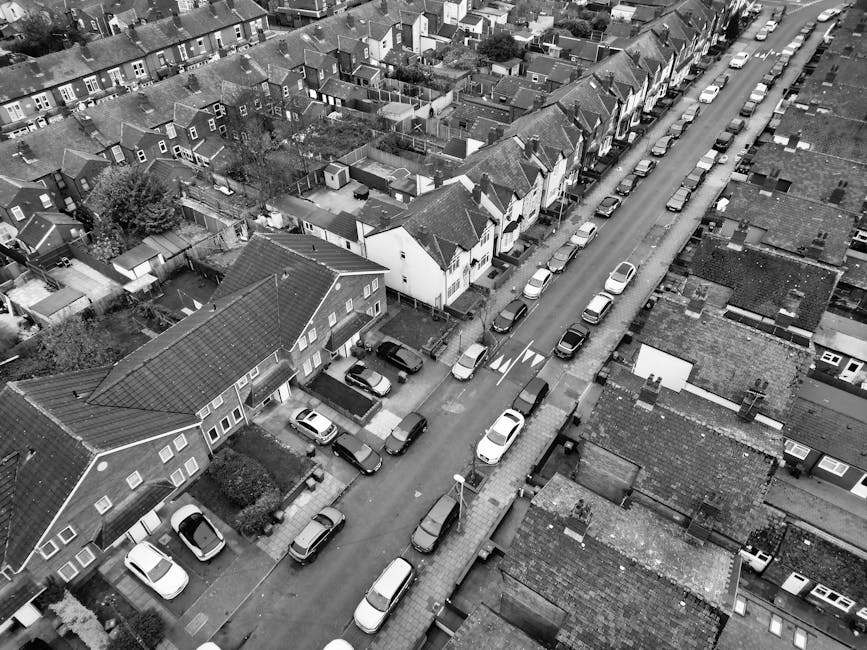
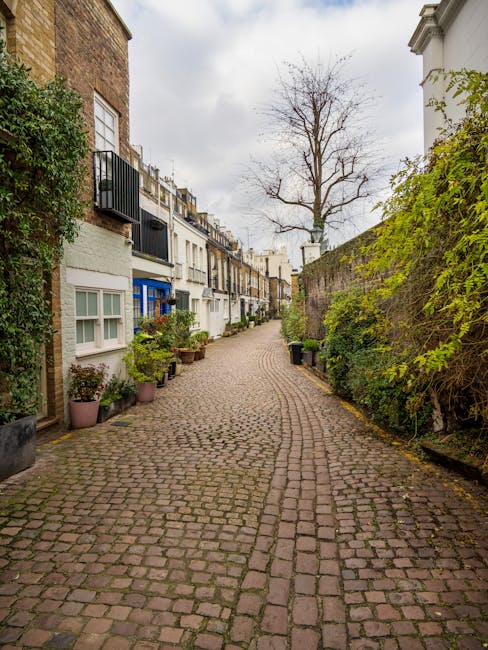
Tight access changes everything. A removal job that would be straightforward on a wider road can become slow and awkward when the van cannot park close to the entrance, the doorway is shared, or the stairwell barely allows a mattress through. On West End Lane, that sort of challenge is not rare. It is part of the local moving landscape.
Why does that matter so much? Because access affects timing, labour, vehicle choice, lifting method, risk of damage, and even how calmly the day feels. If you underestimate the space available, you may end up paying for extra waiting, extra carrying distance, or a second trip. If you plan properly, the move usually feels much more controlled. Not glamorous. Just controlled. And honestly, that is what most people want.
There is also a practical reason this guide matters for local movers: tight access often affects more than the front door. It can change how you pack, how you label, how you load the van, and whether temporary storage makes sense. If you already know you will need a pause between homes, it may be worth looking at secure storage in West Hampstead as part of the move plan, especially if access is limited on one side of the journey.
And yes, the neighbourhood itself can make a difference. West Hampstead and the surrounding streets have a mix of older properties, converted buildings, and compact layouts that often reward careful preparation. If you have lived here a while, you will know the rhythm: school traffic, delivery vans, a burst of footfall, then a quieter stretch. A move that ignores that rhythm is usually the one that gets stressful.
How West End Lane removals guide for tight access moves Works
A tight access move is basically a planning exercise disguised as a removal day. First, you assess the route from property to vehicle. Then you decide what vehicle size fits the street and the load. After that, you work out whether items can be carried safely through the building without forcing them round too many corners or up too many narrow stairs.
In practical terms, this often means asking a few questions before the move:
- Can a removal van stop close enough to the property?
- Is there a lift, and if so, is it usable for furniture?
- Are there steps at the entrance or inside the building?
- Are there parking restrictions, loading limits, or shared access points?
- Will larger furniture need partial dismantling?
If the answers suggest the move may be fiddly, a smaller vehicle can sometimes be more effective than a larger one. A compact removal van option in West Hampstead may be easier to position than a bigger lorry, especially where space is tight and you want to keep the walk from van to front door short.
In many tight-access moves, the trick is not brute force. It is sequencing. Move the awkward items first, protect the pinch points, and keep the van loading order sensible so you are not undoing your own work halfway through the afternoon. Simple in theory, a little less simple when a wardrobe is blocking the hallway. Still, it can be done.
Key Benefits and Practical Advantages
Planning around tight access is not just about avoiding problems. It brings real, practical benefits that you notice on the day and afterward too.
- Less damage risk: careful route planning reduces knocks on walls, doors, bannisters, and furniture.
- Faster loading and unloading: if the vehicle is positioned properly, every carry gets easier.
- Lower stress: you are not improvising under pressure while people stand around wondering where the sofa will go.
- Better cost control: fewer delays and less confusion usually mean less wasted time.
- Improved teamwork: everyone knows where to stand, what to move, and what needs protection.
There is a quieter benefit too. When the move is planned well, you keep more energy for the parts that really need it: setting up the new home, checking utilities, and getting the first proper tea made. That sounds minor, but moving day is long enough already.
For some households, the best result comes from matching the service to the job. If you are moving a full flat or family home and want a broader support structure, local removal services can offer a more joined-up approach. If it is a smaller load, a lighter-touch solution may be enough. The point is to choose based on access, not habit.
Who This Is For and When It Makes Sense
This guide is for anyone moving where space is limited, but a few situations come up again and again.
- People moving from upper-floor flats with narrow staircases
- Residents in converted Victorian or Edwardian properties
- Households on streets with restricted parking or limited loading time
- Anyone with large furniture, pianos, or bulky appliances
- Renters with short turnaround times and little room to stage items
- Buyers moving into older homes where the internal layout is compact
It also makes sense if you are moving in stages. For example, you may be emptying one property before the new place is quite ready. In that case, a blend of moving and storage can keep things sane. A lot of people underestimate that. They think storage is a backup plan, when really it can be the difference between a cramped rushed day and a smoother two-part move.
If you are also navigating a purchase, some of the same planning habits help. For readers thinking about the wider move rather than just the van on the day, the article on steps to buy a home in Hampstead is a useful companion piece because timing, access, and completion often collide in the same week. A lovely little headache, if you let it.
Step-by-Step Guidance
Here is a clear way to approach a tight access move on West End Lane without overcomplicating it.
- Survey the route. Walk from the property to the nearest safe stopping point. Measure door widths, stair turns, and any awkward corners. If you cannot carry a mattress or wardrobe upright, you need to know that before moving day.
- Check parking and loading options. Work out where a van can realistically stop. If there is a loading bay, see whether it fits the size of vehicle you need. If parking is fragile or shared, build extra time into the plan.
- Decide what needs dismantling. Beds, tables, shelving, and some wardrobes move far better in parts. Keep the screws, fittings, and instructions together in one labelled bag. Obvious? Yes. Easy to forget? Also yes.
- Pack for access, not just for storage. Use smaller boxes for heavy items so they are easier to carry through narrow corridors and up stairs. A well-packed box is much safer than a heroic one.
- Protect the pinch points. Door frames, corners, bannisters, and floors often take the brunt of the movement. Covers, blankets, and floor protection are worth the fuss.
- Load in the right order. Put the largest items in first if they are leaving from the tightest point. Keep essentials and fragile items accessible, not buried under the heaviest furniture.
- Give clear instructions on the day. One person should direct the move. Too many voices create confusion, especially when the stairwell is narrow and everyone is trying to be helpful.
- Leave a buffer. Tight access moves rarely run like clockwork. Build in a bit of slack. Ten spare minutes here and there can save a whole afternoon of frustration.
If you think the move will be awkward but manageable, a small, nimble vehicle can sometimes be a better choice than a larger lorry. That is where a man and van service in West Hampstead often fits well, particularly for lighter loads, split moves, and properties where access is the true challenge.
Also, if you are packing while living in the home, try to finish one room at a time. Half-packed homes are where people lose things. Keys disappear. Chargers vanish. Somehow a kettle ends up in a box marked "winter shoes". It happens.
Expert Tips for Better Results
Here are the small details that tend to make the biggest difference.
- Visit the property at the same time of day as the move if you can. Street conditions can change a lot between early morning and late afternoon. What looks roomy at 10am may feel completely different by school run time.
- Use consistent box sizes where possible. Stacking becomes much easier, and the van loads more securely.
- Wrap handles and edges. Handles catch on clothing, bannisters, and doors more often than people expect.
- Keep a clear "do not move" zone. This is handy for documents, charging cables, keys, medications, and anything else you need on the day.
- Photograph tricky furniture before dismantling. It saves arguments with yourself later, which is a surprisingly real problem.
- Use colour coding or room labels. Not fancy. Just practical. Blue for kitchen, red for bedroom, and so on.
One small human truth: people often overpack the first few boxes because they want to get everything done quickly. Then the boxes become too heavy, the handle starts to give, and the whole rhythm goes. Better to make one extra box than one impossible box. Always.
If you are still comparing approaches, browsing the broader house removals service can help you see how a fuller move structure differs from a smaller, more flexible setup. Sometimes the right answer is a mix of both.
Common Mistakes to Avoid
The most common problems in tight access moves are usually not dramatic. They are the small oversights that stack up.
- Assuming a van can park anywhere. Street access is often more restrictive than it first appears.
- Ignoring internal access. A wide front door does not help if the turn at the top of the stairs is too tight for a sofa.
- Leaving everything packed as one-person lifts. Heavy boxes become awkward fast, and awkward is where damage happens.
- Not measuring furniture. Guessing rarely ends well. A tape measure is boring, but useful.
- Forgetting to protect communal areas. Shared hallways and stairwells need care, especially in managed buildings.
- Starting too late in the day. If the access is tricky, an early start is often worth more than people expect.
Another frequent issue is splitting attention. One person is on the phone, one is checking keys, one is looking for tape, and nobody is actually watching the sofa being turned sideways at the top of the stairs. That is where trouble starts. Keep the operation simple.
And if the move is bigger than expected, it may be worth using a solution that offers more breathing room, like a dedicated removal van or even temporary storage. Small tweaks, big difference.
Tools, Resources and Recommendations
You do not need a van full of specialist kit to handle a tight access move, but a few tools really help.
- Tape measure: for checking doorways, stairs, and furniture dimensions.
- Furniture blankets and wraps: to protect edges and surfaces.
- Stretch wrap: useful for keeping drawers shut and protecting upholstery.
- Strong packing tape: because weak tape always picks the worst possible moment to fail.
- Marker pens and labels: for clear room-by-room organisation.
- Work gloves: for better grip and fewer knocks.
- Trolley or sack truck: only where suitable and safe for the building layout.
For the packing side of things, a proper packing service can save a lot of strain if you are short on time or dealing with fragile items. Have a look at packing and boxes support in West Hampstead if you want help with materials and preparation. It is one of those services people often leave too late, then wonder why they are still wrapping lamps at 11pm.
If you need to pause between addresses, or you are juggling completion dates, storage can keep things moving without stuffing every spare corner of the new place. It is practical, not glamorous. But neither is moving, really.
Law, Compliance, Standards, or Best Practice
For most domestic moves, the main compliance concerns are straightforward: safe handling, sensible parking, respect for shared spaces, and care with property access. You do not normally need to worry about complicated legal procedures for the moving process itself, but you should still work within local parking and access rules, building requirements, and any instructions from landlords or managing agents.
Best practice usually includes the following:
- Do not block entrances, pavements, or emergency access routes.
- Check whether the building has rules about lift use, protection sheets, or move-in booking slots.
- Inform neighbours where reasonable, especially if shared corridors or stairwells are involved.
- Use safe lifting techniques and avoid forcing oversized items through unsuitable gaps.
- Protect floors, walls, and banisters in communal spaces.
In real life, good manners matter almost as much as logistics. A quick conversation with the building manager or a neighbour can smooth out a lot of friction. That does not sound technical, but it works. A move that respects the space tends to go more smoothly than one that barrels through it.
If you are moving from or into a property with history and character, which is common around this part of London, it can help to approach the building a little gently. Older homes often have quirks, and quirks are fine until they meet a heavy wardrobe.
Options, Methods, or Comparison Table
Not every move on West End Lane needs the same approach. The best method depends on the size of the load, the access, and how much help you want on the day.
| Option | Best for | Strengths | Trade-offs |
|---|---|---|---|
| Man and van | Smaller moves, student flats, light household loads | Flexible, nimble, often easier for tight streets | Less suitable for larger homes or heavy multi-room moves |
| Removal van | Medium loads and direct local moves | Useful balance of capacity and street access | May still be awkward if parking is very limited |
| Full house removals | Family homes, multi-room moves, complex relocation days | More structured support, better for larger inventories | Needs more planning and may be less suited to very tight streets |
| Move with storage | Delayed completions, downsizing, staged moving | Flexibility and breathing space | Extra step in the process, so timing needs managing carefully |
In simple terms, the tighter the access, the more valuable flexibility becomes. That is why local moving choices often work best when they are matched to the street, not just to the inventory.
Case Study or Real-World Example
Imagine a typical West End Lane move from a third-floor flat in a converted building. The stairwell is narrow, the lift is small, and the sofa has already proved itself to be annoyingly large. The vehicle cannot stay outside for long, so speed matters. The job still gets done, but only because the move is planned in stages.
First, the smaller items are boxed and labelled. Then the bed frame is dismantled in advance, with the fixings bagged and taped to one of the slats. The route from flat to van is cleared before anything heavy starts moving. One person handles keys and access, another manages the load order, and the van is positioned as close as possible without causing issues on the street.
The slightly awkward sofa? It goes out last, after the corners are protected and the team knows exactly which angle works. No drama. No last-minute panic. Just a careful, slightly sweaty hour or two, and then the relief of getting it all on board.
Truth be told, that is what good removals often look like. Not exciting. Just quietly competent. And that is a compliment.
Practical Checklist
Use this checklist a few days before the move, then again on the morning itself.
- Measure key furniture and awkward access points
- Confirm van size and parking approach
- Check building rules for lifts, stairs, and communal areas
- Label boxes by room and priority
- Pack essentials separately
- Dismantle beds, tables, and bulky items where needed
- Protect walls, floors, and door frames
- Keep tools, tape, and fixings in one clear bag
- Set aside snacks, water, and chargers
- Build in extra time for access delays
A small, calm checklist can save a lot of running around. It also helps everyone involved feel a bit more grounded, which matters more than people admit.
Get a free quote today and see how much you can save.
Conclusion
Tight access moves on West End Lane do not need to become stressful marathons. They need clear planning, realistic vehicle choices, good packing, and a bit of respect for the layout of the street and the building. If you get those parts right, the whole process becomes much more manageable.
The best moves are usually the ones that feel almost uneventful. A little measured, a little careful, and a lot less chaotic than expected. If you are preparing for a move in NW6 and you know access is going to be tight, treat that as the main planning point, not an afterthought. It really does change everything.
If you want to explore related local reading while you plan, you may also enjoy the article on what locals think about life in Hampstead, or, if you are interested in the area's character, the piece on Hampstead's history and roots. Local moves always feel a bit more real when you understand the streets around them.
And if you are moving into a home that needs a little setup time before everything is in place, storage and packing support can give you that breathing room. Sometimes the smartest move is not the fastest one. Just the one that lands well.
Frequently Asked Questions
What makes West End Lane removals difficult for tight access moves?
The main challenge is usually a mix of narrow street access, parking limits, older buildings, stairwells, and awkward internal layouts. Even a short carry can become slow if the van cannot stop nearby.
Is a man and van service enough for a tight access move?
Often, yes, especially for smaller loads or one-bedroom flats. A flexible service like man and van in West Hampstead can work very well when access is the main issue and the inventory is manageable.
Should I choose a larger removal van or a smaller one?
That depends on the street and the load. A smaller vehicle can be easier to position on a tight road, while a larger van may reduce trips if the access still allows it. The best choice is the one that fits both the property and the parking reality.
How do I know if my furniture will fit through narrow stairs or doorways?
Measure the widest dimensions of the furniture and compare them with the tightest point on the route, including turns. If in doubt, dismantle what you can before move day. It is better to spend ten minutes with a screwdriver than an hour trying to force the issue.
Do I need to tell the building manager before moving?
If the property is managed, it is usually wise to check in advance. Many buildings have rules about lift use, access times, protective coverings, or where furniture can be staged. A quick conversation can prevent delays.
What should I pack separately for a tight access move?
Keep essentials separate: keys, documents, phone chargers, medication, toiletries, a kettle if you are being realistic, and a few snacks. On a long day, having those things easy to reach can save a lot of hassle.
Is storage useful for West End Lane moves?
Yes, especially if your move is split across dates or the new property is not ready. Storage can reduce pressure and help you avoid cramming everything into a place that is not fully prepared yet. Local storage options can be a sensible part of the plan.
How far in advance should I plan a tight access move?
The earlier the better. Even a few days of planning helps with measurements, parking, packing, and access checks. For more complex moves, allowing extra time is usually worth it.
What is the biggest mistake people make with tight access removals?
Underestimating the access. People often focus on the amount of stuff and forget about the route. In reality, the route can be the part that causes most delays.
Can professional packing help with tight access?
Yes. Packing smaller, stronger boxes and protecting fragile items properly can make the move safer and easier to carry. It also speeds up loading because the boxes are more predictable in size and weight. You can learn more through packing and boxes support.
How much extra time should I allow for a difficult access move?
There is no fixed rule, but it is sensible to allow more time than you would for an easy suburban move. Narrow stairs, parking pressure, and shared entrances can all slow things down. A small buffer helps more than people expect.
What should I do if access turns out worse on the day than expected?
Stay calm, reassess the route, and adjust the plan rather than pushing through blindly. Sometimes a smaller vehicle position, a partial dismantle, or a short pause solves the issue. If the move is becoming too cramped, reordering the loading plan can make all the difference.